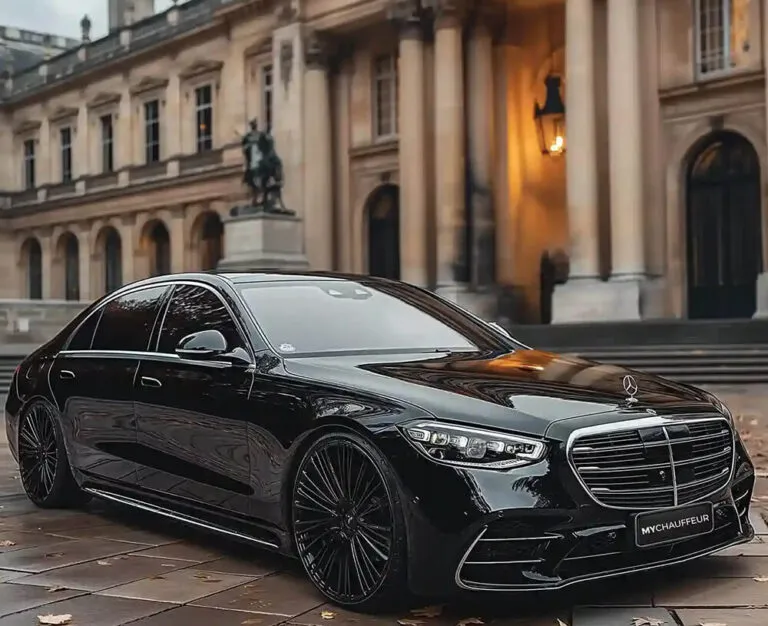

If you are comparing private transportation for a meeting, airport pickup, wedding, or evening event, the chauffeur hourly rate is usually the first number you look for. That makes sense, but the hourly figure only tells part of the story. In premium transportation, the real value comes from what is included: the caliber of the vehicle, the professionalism of the chauffeur, the timing standards, and the operational support behind the reservation.
For travelers in Boston and across New England, that difference matters. A lower quote may look attractive until it excludes wait time, uses an older vehicle, or leaves no room for schedule changes. A professional chauffeur service is not simply selling a ride from point A to point B. It is selling control, presentation, and reliability when the timing actually matters.
What the chauffeur hourly rate usually covers
An hourly booking is designed for flexibility. Instead of reserving a single transfer, you are reserving a vehicle and chauffeur for a block of time. That is especially useful for roadshows, client meetings, shopping itineraries, weddings, milestone dinners, city-to-city stops, and evenings when the schedule may shift.
In a premium service model, the chauffeur hourly rate generally includes the vehicle, a professionally trained chauffeur, fuel for local use, and the convenience of having the car available as needed during the reserved window. It may also include standard amenities, coordination support, and a level of readiness that on-demand transportation simply does not offer.
What varies is how each company defines that hour. Some providers have minimum booking windows, some calculate garage-to-garage time, and some apply different hourly structures based on vehicle class. That is why two quotes that appear similar at first glance may not reflect the same service level.
Why chauffeur hourly rates vary
There is no single flat market number because hourly chauffeur service is shaped by several moving parts. Vehicle selection is one of the biggest. A luxury sedan for one or two passengers is naturally priced differently from an executive SUV, a Cadillac Escalade, a stretch limousine, or an executive van for a larger group.
Timing also affects cost. A weekday afternoon reservation for business travel may be priced differently than late-night service, peak weekend demand, prom season, or major event dates. Weddings and special events often require more staging, tighter timing coordination, and presentation standards, which can influence the overall rate.
Location matters too. Local hourly service in Boston is one thing. Multi-stop service extending into MetroWest, the North Shore, Rhode Island, Cape Cod, or longer New England routes may involve additional mileage, tolls, parking, or chauffeur time that stretches beyond a simple local block.
Then there is service depth. A premium transportation company with live dispatch, early arrival standards, immaculate vehicles, and experienced chauffeurs will not price itself the same way as a basic operator. For many clients, that is exactly the point. They are not shopping for the cheapest available car. They are protecting a schedule, a guest experience, or a professional image.
Chauffeur hourly rate by vehicle type
When clients ask about hourly pricing, the most practical first question is not “What is the rate?” but “What vehicle fits the trip?” The right answer depends on passenger count, luggage, occasion, and how formal the experience needs to feel.
Luxury sedans
Sedans are often the most efficient option for solo executives, couples, or airport travelers with light luggage. They present well, move easily through city traffic, and keep the hourly investment more contained than larger vehicles. For business appointments and low-profile premium travel, they are often the right fit.
Executive SUVs
SUVs are a strong choice when comfort, extra luggage space, or a more commanding arrival matters. They are popular for airport service, family travel, client transport, and winter-weather confidence. If the itinerary includes multiple passengers or longer stretches on the road, an SUV may offer better value than trying to fit the trip into a smaller vehicle that feels too tight.
Escalades, limousines, and executive vans
These vehicles sit at the higher end of the chauffeur hourly rate spectrum, but they serve distinct needs. Escalades are often chosen for VIP transportation and premium event arrivals. Stretch limousines are built for celebrations and formal occasions. Executive vans make sense for corporate groups, wedding parties, and family travel where keeping everyone together is more efficient than booking multiple vehicles.
The trade-off is straightforward: larger and more specialized vehicles cost more per hour, but they can reduce logistical friction and improve the overall experience.
What to ask before you compare quotes
Hourly transportation pricing gets clearer very quickly when you ask the right questions. First, ask about the minimum number of hours required. Many premium services have a two-hour or three-hour minimum for hourly reservations, especially on weekends or for specialty vehicles.
Next, ask whether the quoted time starts at pickup or includes travel from the base location. You should also confirm what is included beyond the vehicle and chauffeur. Parking, tolls, gratuity, and event-related waiting policies can affect the final total.
It is also smart to ask how schedule changes are handled. If a dinner runs late or a meeting ends early, does the company allow flexible extension of time? Premium service should make the evening easier, not create pressure around the clock.
Finally, ask about the condition of the fleet and chauffeur standards. A polished black vehicle and a discreet, experienced chauffeur are part of what you are paying for. If the answer is vague, the quote may be hiding compromise.
Hourly service versus point-to-point pricing
Not every trip should be booked by the hour. If your transportation needs are simple, such as a direct airport transfer from downtown Boston to Logan or a scheduled pickup to a single destination, fixed point-to-point pricing is often the smarter option.
Hourly service makes more sense when there are multiple stops, uncertain timing, standby needs, or a desire to keep the vehicle close throughout the reservation. That includes wedding photography transfers, meeting circuits, shopping days, graduation events, and evenings that include more than one venue.
This distinction matters because some travelers overbook hourly service when they really need a direct transfer, while others try to force a complex itinerary into a one-way booking and end up with stress and overage charges. The right format depends on how much flexibility the trip actually requires.
Why the lowest chauffeur hourly rate is not always the best value
A bargain rate can become expensive when service breaks down. A late chauffeur, poor communication, inconsistent vehicle quality, or a company without real dispatch support can create far more cost than the original savings. That is especially true for airport pickups, executive travel, and formal events where there is no room for improvisation.
Premium clients usually care about a different set of questions. Will the chauffeur arrive early? Will the vehicle be spotless? Will the company track timing changes? Will the experience feel discreet and polished in front of a client, spouse, or wedding guest list? Those are not luxury extras. They are part of the service standard.
That is where companies such as Boston Luxury Chauffeur position their value. The rate reflects more than transportation. It reflects preparation, fleet quality, reservation accuracy, and the confidence that the car will be where it should be, when it should be there.
How to book hourly chauffeur service wisely
Start with the itinerary, not the price. Know how many passengers are traveling, how much luggage is involved, where the stops are, and whether the timing is fixed or fluid. That information determines the right vehicle and the right booking structure much better than shopping by rate alone.
Reserve early if the trip falls on a weekend, during wedding season, around major Boston events, or during peak corporate travel periods. The best vehicles and strongest chauffeurs are often booked first, and last-minute availability can narrow your options.
Be realistic about time. It is usually better to reserve a little more time than you think you need, particularly for events, dinner service, and multi-stop itineraries. Running short on an hourly reservation can create unnecessary pressure on what should feel like a controlled, premium experience.
A clear quote, a suitable vehicle, and a professional operations team usually matter more than shaving a small amount off the hourly number. When transportation is tied to a flight, a client meeting, or a once-in-a-lifetime event, confidence is often the better investment.
The right chauffeur hourly rate is not simply the cheapest available figure. It is the rate that matches the service level, vehicle, and reliability your schedule demands. Book with that in mind, and the experience tends to feel exactly as it should: polished, punctual, and easy.